



Awarded
Cataloged
Disappeared
All works
-
Sindicat Agrícola de Ciutadilla
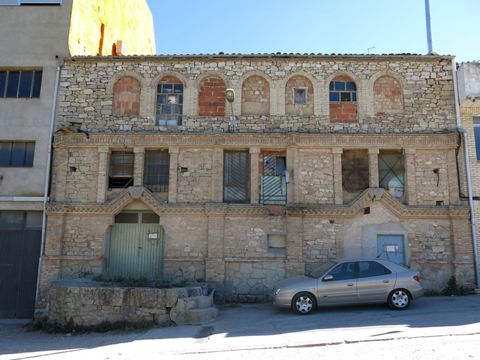 El Sindicat de Ciutadilla és un edifici situat a la banda obaga de la població, mirant al riu Corb, endegat pels pagesos de Ciutadilla l'any 1921. Va ser projectat per l'arquitecte Cèsar Martinell i Brunet l'any 1918 i construït per Joan Santmartí, un constructor local. És un edifici de planta rectangular estructurat amb planta baixa i dos pisos i coberta de teula àrab a dues aigües amb el carener paral·lel a la façana. La visió personal de Martinell es reflecteix a la façana. En concret, la façana presenta tres cossos verticals separats per pilastres i cornises o frisos fetes en maons col·locats de diferents posicions. Destaquen els frisos amb dentellons que recorren la façana en horitzontal, separant els tres nivells. Ressalta la combinació de maçoneria en pedra i maó vist com a element decoratiu. El segon pis està obert amb un conjunt de set obertures en arcs de mig punt, ara cegades en la seva major part, a manera de galeria. L'edifici continua en funcionament i a l'interior s'hi conserva el molí d'oli.
1921
-
Rehabilitació del Castell de Ciutadilla
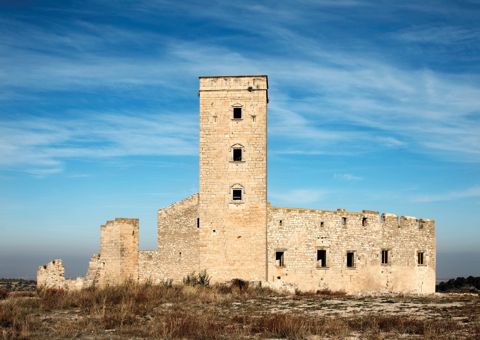 CIUTADILLA Fortalesa medieval del XII, transformada en palau renaixentista el XVI i sacsejada per les guerres carlines el 1835 UNA RUINA En els inicis de l’actuació, es tracta d’un castell pràcticament en ruïna completa. A diferencia d’altres castells que es mantenen en peu i amb els espais habitables, on cal endegar en un primer estadi un procés d’anàlisi estructural amb el corresponent reforç o estabilització de l’estructura per mitjans mes o menys costosos o amb tècniques específiques, en aquest cas es tracta d’aturar el procés de degradació i ruïna amb tècniques convencionals de restauració i consolidació de les parets existents. CONSIDERAR L’ESTAT ACTUAL UN CONSTANT PUNT DE REFERÈNCIA EN L’ACTUACIÓ S’entén el castell com un element que s’integra en la “cadena” de castells que limiten i dibuixen sobre el territori allò que fou en el seu moment la línia fronterera entre territori cristià i musulmà. Aquests castells en el seu estat de major o menor ruïna formen part i s’integren en el paisatge i el territori. De la millor manera, tal i com son. UN CASTELL MASSA GRAN Abans de la primera etapa de rehabilitació, es creia que, atesa la seva dimensió i el seu estat de runa, aquest era un castell massa gran per a ser restaurat ALHORA PROP I LLUNY DEL POBLE Tot i no estar lluny del poble (s’hi pot arribar caminant fàcilment per la vessant nord) aquest castell no esta enclavat en el bell mig del nucli. Això representa una dificultat afegida per a mantenir l’activitat i en conseqüència donar “vida” al castell. RESTAURACIÓ EN DOS FASES Fase 1.- Es rehabilita la torre de l’homenatge i es realitza un itinerari d’accés a la mateixa des de l’exterior del castell Fase 2.- Es rehabilita tota l’ala nord del castell ESTRATEGIA Fase 1.- Intervenció de mínims Rehabilitació del element singular (la torre) Es pot fer amb un cost assumible en comparació a altres àmbits del castell L’interès que desperti la seva ascensió i la contemplació des d’ella ha de recuperar l’atenció del ciutadà i per tant el contacte amb el visitant en general Un circuit amb elements fàcilment deconstruibles que a través de diverses etapes d’observació culmina en la coberta de la torre Aquest circuit o itinerari : permet seguir les excavacions arqueològiques garanteix l’accés dels visitants sobre tot es el fil conductor que relaciona amb una observació continua i pretesament “poètica” el visitant amb : el propi castell i els seus espais el territori pròxim el territori llunya (des del cim de la torre) L’aspecte del castell com un element parcialment en ruïna es considera un valor positiu en el sentit de la seva integració amb el paisatge i la natura. Per això, es pretén operar sobre les restes des de una cal·ligrafia pròpia i actual però delicada i respectuosa. Fase 2.- Actuació en l’ala nord, que tot i estar pràcticament enrunada, per la seva configuració permet recuperar nous espais habitables. Es continuarà desenvolupant entre aquests espais l’estratègia d’itineraris iniciada en la fase 1 que ajudi a connectar-los gaudint alhora de l’observació dels àmbits propers, mitjans i llunyans Es valora la imatge preexistent del castell com un element ja integrat en el paisatge, i per això es defuig de les intervencions que poguessin alterar excessivament les configuracions actuals de les façanes generant o un fals històric o una copia potser ara innecessària
2006 - 2008