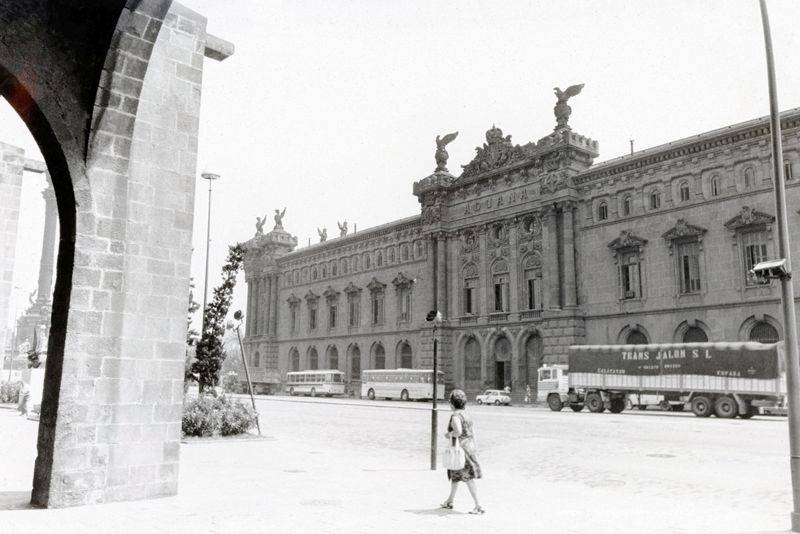
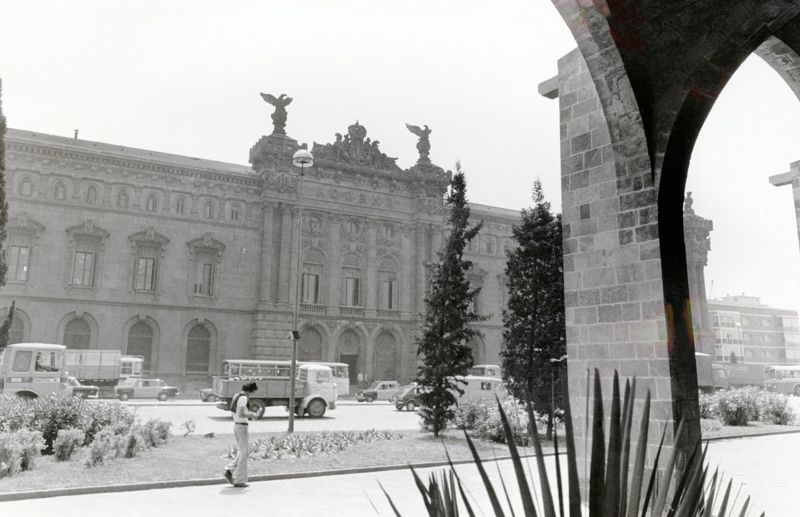
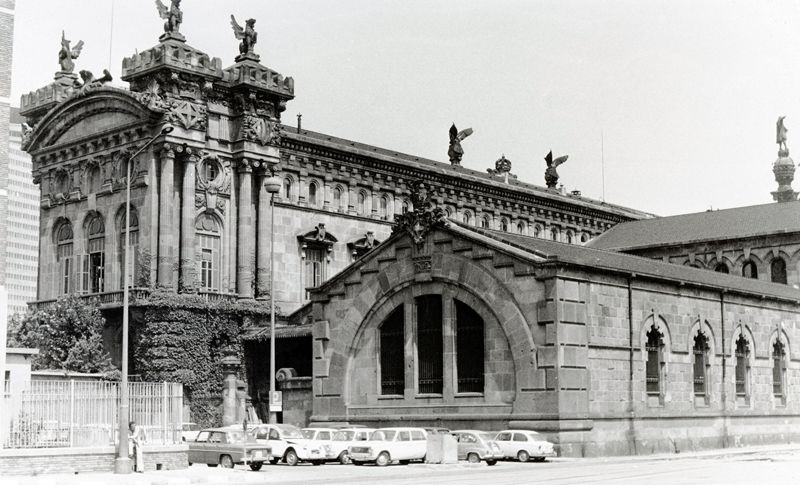
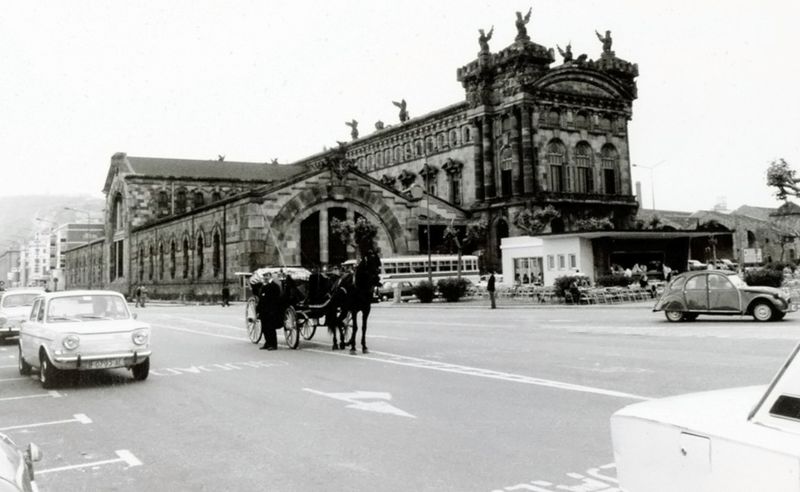
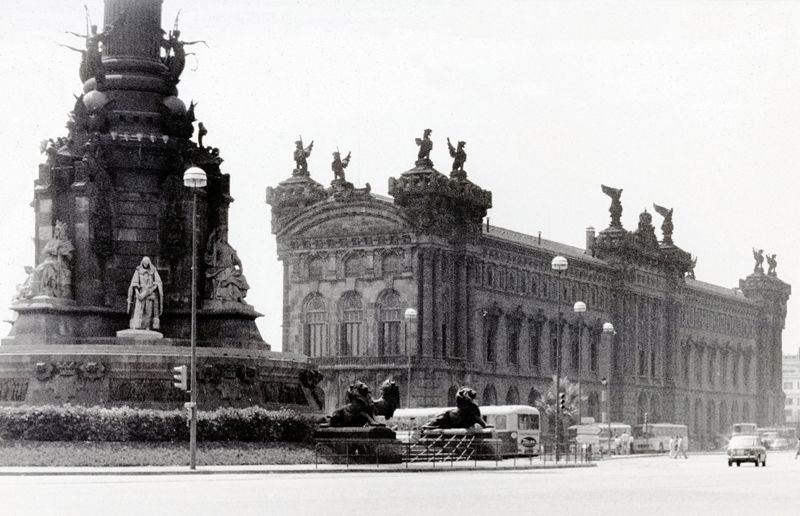
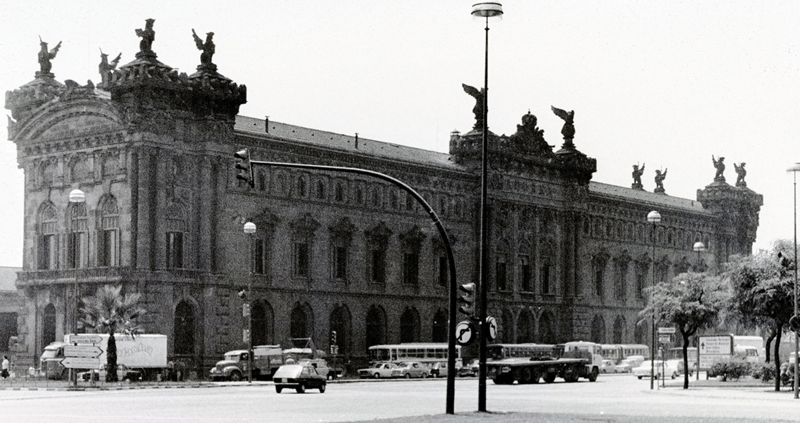
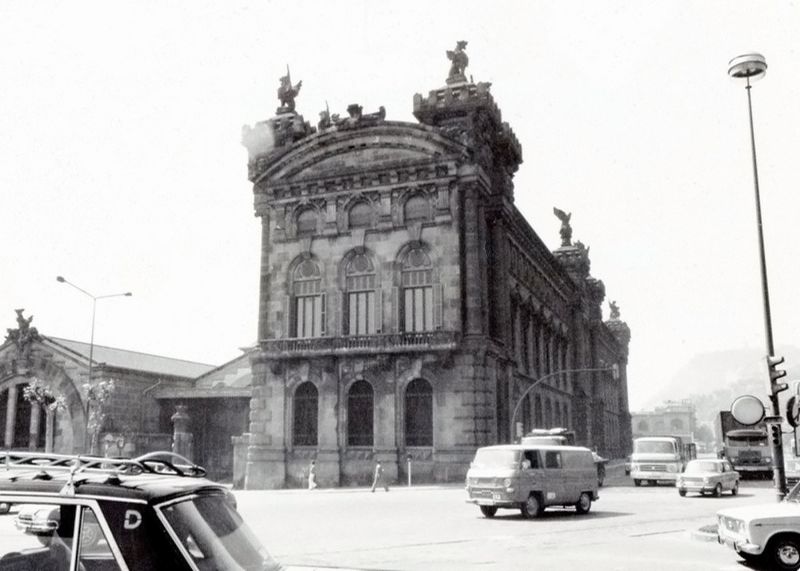
Located in Barcelona's port area, the Nova Aduana is located in the expansion area of the new loading and unloading docks and replaces the old customs house, which was housed in an 18th-century building near the Port Vell. The new construction sought to monumentalise the maritime entrance to the city and, at the same time, to rationalise the control and valuation of goods.
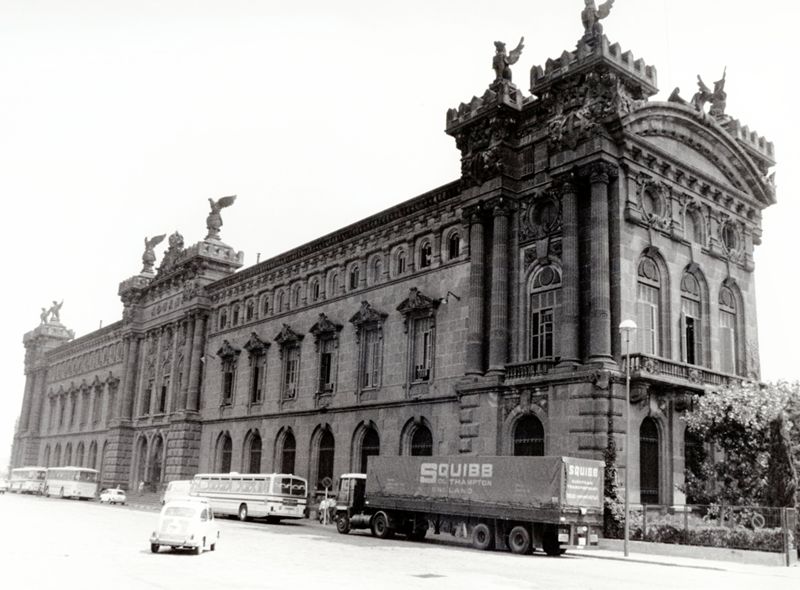
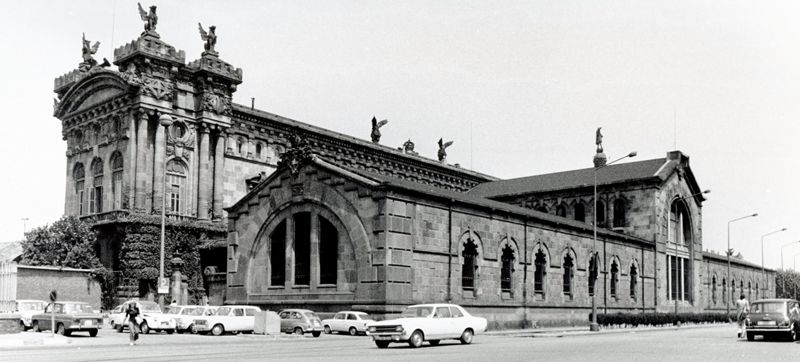
In this project, Sagnier counted with the collaboration of the architect Pere Garcia Fària, a specialist in the drainage of the city and an engineer in roads, canals and ports. The commission was formulated in 1890, but the project was not approved until 1895, after suffering many obstacles and alterations, as it was a public building controlled by the State and its layout had to be approved by the Royal Academy of Fine Arts of San Fernando. The building adopts an H-shaped layout, as the initial idea of the customs technicians was that goods would enter at one end, pass through the inspection room and exit at the other end, but in practice its use could not be so rational, due to the bureaucratic formalities.
On the outside, the building has a monumental appearance, with certain echoes of Central European architecture, especially on the façade facing the city, while on the quayside the architectural lines are more sober. As in other projects, Sagnier avoids the monotony of the main façade by combining horizontal lines in the attic and vertical lines in the windows on the main floor, with the counterpoints of the two lateral bodies and, especially, the central core containing the entrance. This central body, where the inscription ‘Aduana’ appears in severe capital letters, concentrates most of the sculptural work and is crowned by a coat of arms of Spain and two large eagles, the work of the sculptor Eusebi Arnau, while at each end there are four griffins or winged lions. The chronicles of the time criticised the excessive proportions of these decorative elements ‘belonging to the fauna’ and the fact that the building did not clearly express its purpose.