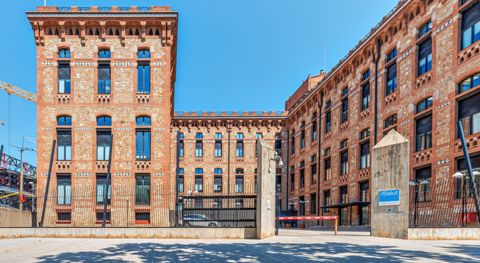
In this first stage, the catalogue focuses on the modern and contemporary architecture designed and built between 1832 –year of construction of the first industrial chimney in Barcelona that we establish as the beginning of modernity– until today.
The project is born to make the architecture more accessible both to professionals and to the citizens through a website that is going to be updated and extended. Contemporary works of greater general interest will be incorporated, always with a necessary historical perspective, while gradually adding works from our past, with the ambitious objective of understanding a greater documented period.
The collection feeds from multiple sources, mainly from the generosity of architectural and photographic studios, as well as the large amount of excellent historical and reference editorial projects, such as architectural guides, magazines, monographs and other publications. It also takes into consideration all the reference sources from the various branches and associated entities with the COAC and other collaborating entities related to the architectural and design fields, in its maximum spectrum.
Special mention should be made of the incorporation of vast documentation from the COAC Historical Archive which, thanks to its documental richness, provides a large amount of valuable –and in some cases unpublished– graphic documentation.
The rigour and criteria for selection of the works has been stablished by a Documental Commission, formed by the COAC’s Culture Spokesperson, the director of the COAC Historical Archive, the directors of the COAC Digital Archive, and professionals and other external experts from all the territorial sections that look after to offer a transversal view of the current and past architectural landscape around the territory.
The determination of this project is to become the largest digital collection about Catalan architecture; a key tool of exemplar information and documentation about architecture, which turns into a local and international referent, for the way to explain and show the architectural heritage of a territory.
We kindly invite you to help us improve the dissemination of Catalan architecture through this space. Here you can propose works and provide or amend information on authors, photographers and their work, along with adding comments. The Documentary Commission will analyze all data. Please do only fill in the fields you deem necessary to add or amend the information.
The Arxiu Històric del Col·legi d'Arquitectes de Catalunya is one of the most important documentation centers in Europe, which houses the professional collections of more than 180 architects whose work is fundamental to understanding the history of Catalan architecture. By filling this form, you can request digital copies of the documents for which the Arxiu Històric del Col·legi d'Arquitectes de Catalunya manages the exploitation of the author's rights, as well as those in the public domain. Once the application has been made, the Arxiu Històric del Col·legi d'Arquitectes de Catalunya will send you an approximate budget, which varies in terms of each use and purpose.
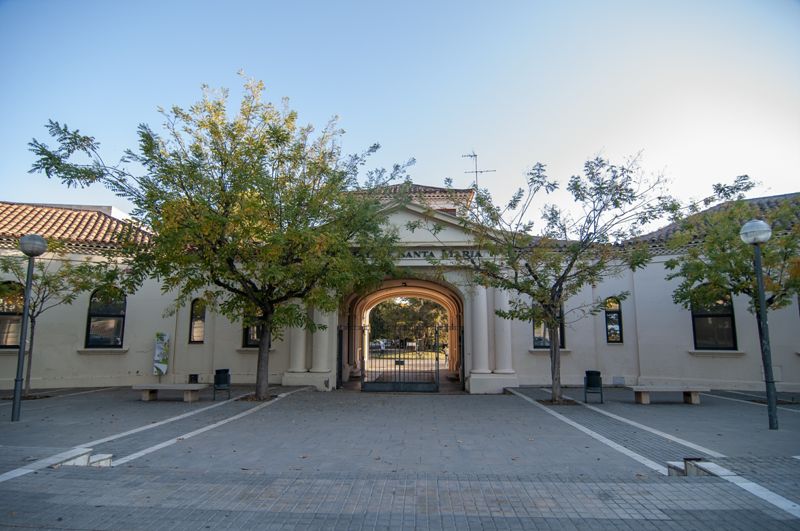
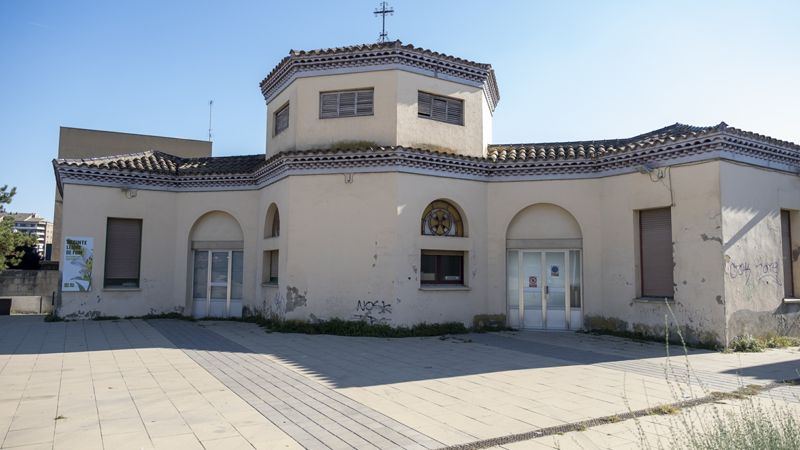
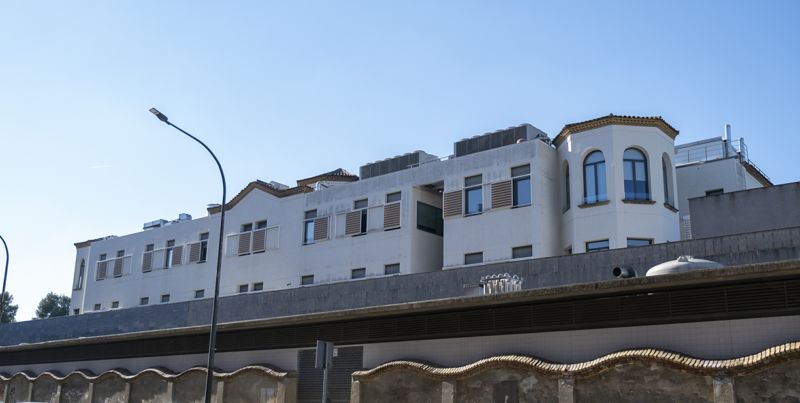
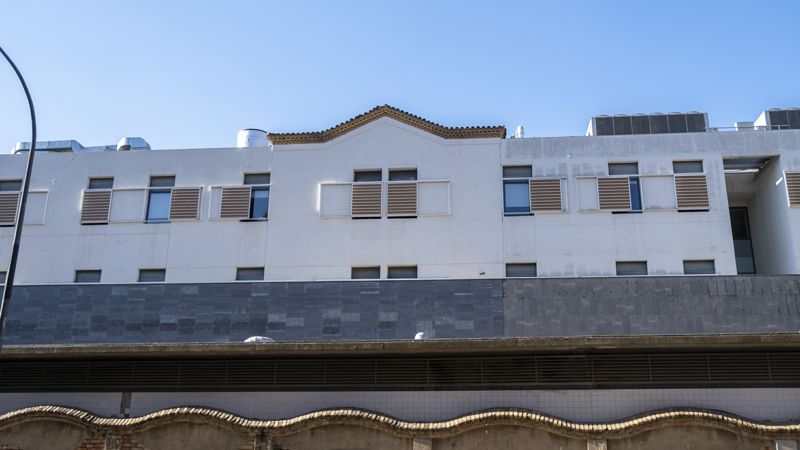
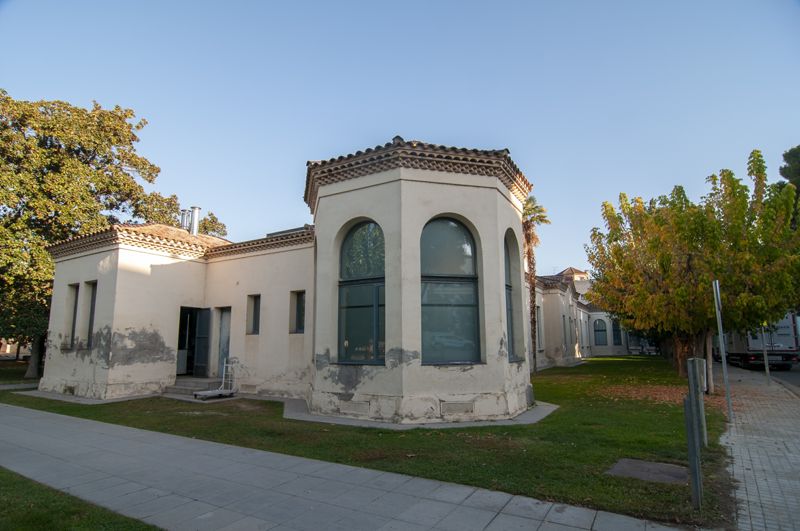
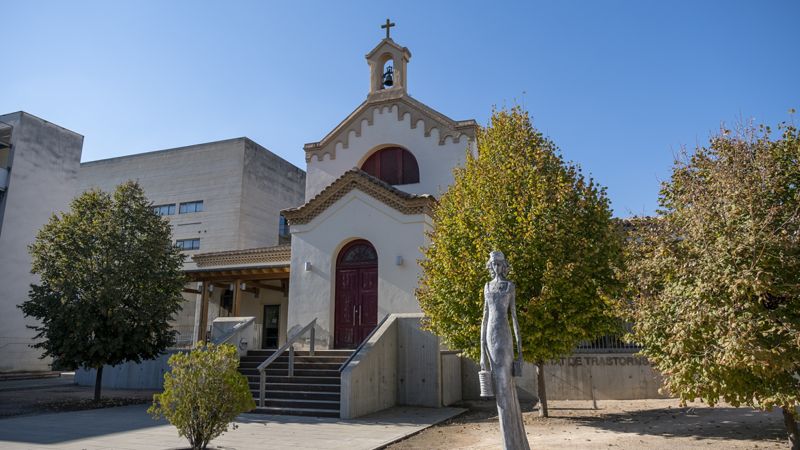
L'antic hospital de Santa Maria, construït a l'inici del segle XVI, va estar en funcionament fins que la seva capacitat per atendre malalts va quedar obsoleta. L'any 1915, la Diputació de Barcelona, d'acord amb la Paeria, es va fer càrrec de la institució, però les velles instal·lacions aconsellaven l'abandó de l'edifici gòtic amb aquesta funció i la creació d'un hospital nou que implantés les noves tecnologies científiques de la medicina del moment. La Mancomunitat de Catalunya n'aprovà la construcció, i el nou complex hospitalari s'aixecà en un terreny dels afores de la ciutat, a tocar de la carretera d'Osca. El 1922, els arquitectes Porqueres i Mestres se'n feren càrrec del projecte i van concebre uns edificis en estil noucentista, dins una gran ciutat sanitària de pavellons aïllats, capella, jardins i fonts. L'hospital nou fou inaugurat l'1 de maig de 1928. A partir de 1967, el recinte es va anar transformant amb la construcció de blocs nous, o la remodelació i ampliació dels ja existents. Entre 1987 i 1989 es va construir la nova Facultat de Medicina de la Universitat de Lleida, segregada de la Universitat de Barcelona. La construcció, projectada per Humbert Costas i Manuel Gómez, es va aixecar sobre uns pavellons projectats per Joaquim Porqueres i Jaume Mestres, cosa que, malgrat la bondat i el reconeixement que tingué el projecte com a finalista dels premis FAD i Andrea Palladio de 1989 i 1990, afecten, inevitablement, l'obra arquitectònica original.
Actualment, el recinte de l'antic Hospital Provincial (o nou Hospital de Santa Maria) conserva al seu interior un conjunt de blocs aïllats compostos segons eixos barrocs, amb domini de la simetria clàssica, ben perceptible en el pavelló d'accés, de tres cossos en disposició trapezial (els dos laterals organitzats al voltant d'un pati en forma d'U), on les façanes, tractades amb acurat disseny, dibuixen un ritme regular d'obertures que centren l'accés a l'edifici i l'eix principal del conjunt. Els blocs consten de planta baixa i dos pisos. L'edifici d'accés presenta columnes i pilastres clàssiques, frontons triangulars, finestres en arc rodó i cobertes a quatre vessants de teula àrab, si bé ja incorpora obertures de format rectangular apaïsat en el cimbori de planta quadrada que emergeix de les teulades. Els paraments estan tractats amb arrebossat i estuc llis, i les cornises són de maó vist.
Set Hospital Universitari Santa Maria